How we count
A number without its definition is an argument, not a fact. This page explains exactly what every figure on this site means, where it comes from, and what it cannot tell you.
Everything published here carries one of two labels, and a third category never publishes at all:
Documented
Agency documents, board materials, court records, and press reporting. The default tier; everything on the project pages is documented.
Resident-observed
Dated photographs, measurements, and logs kept by residents, published only with their dates and collection method stated. These appear on the impacts pages, always labeled, never blended into documented findings.
Needs source
Claims we believe but cannot yet anchor to either tier. They stay off the site. Some appear on impacts pages only as descriptions of what we are working to obtain.
What this site is
Battery Park Community Activism is an independent, resident-run record of the coastal resiliency construction projects in and around Battery Park City and The Battery in Lower Manhattan. It shares its initials, BPCA, with the Battery Park City Authority, the state agency that runs most of these projects, but it is not affiliated with that agency, NYC Parks, NYCEDC, or any government agency, campaign, or contractor.
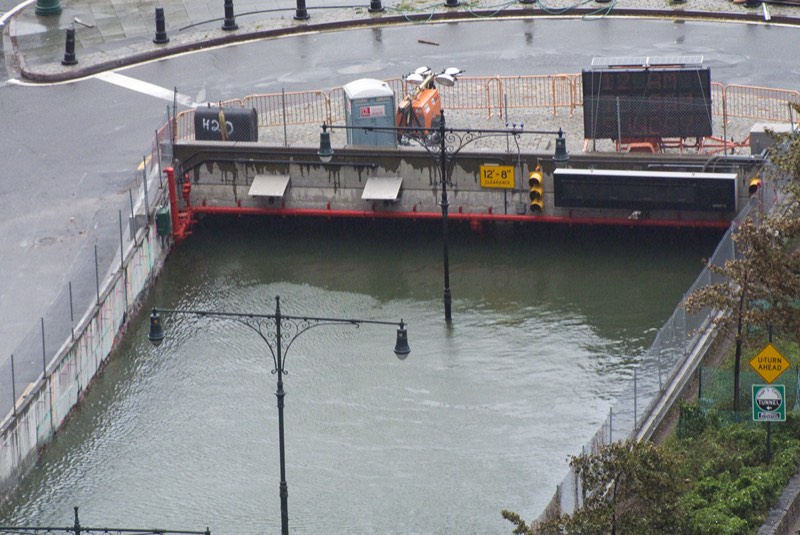
We think these projects are necessary. Lower Manhattan flooded in 2012 and will flood again. We also think necessary projects deserve more scrutiny, not less, because the money is public, the parkland is public, and the disruption lands on the people who live here. Tracking overruns is not opposition. It is ownership.
Definitions
- First public estimate. The earliest total cost stated publicly by the sponsoring agency, in a press release, budget document, or board presentation. Where early figures covered a different scope than the project ultimately built, we say so on the project page rather than pretend the comparison is clean.
- Current estimate. The most recent total cost stated publicly. For completed projects, the reported final cost.
- Completion promised at announcement. The completion date given when the project was publicly unveiled, not later revised targets.
- Behind schedule. The gap between that original promise and the current public target, rounded to half years.
- Promised versus delivered. Specific, checkable commitments from official announcements, matched against what is observable on the ground or in later official statements. Each item is tagged kept, changed, or pending.
What the numbers cannot tell you
Cost growth is not automatically waste. Estimates rise for real reasons: scope gets added, tariffs and inflation move, early numbers are sometimes construction-only while later numbers include design, management, and contingency. Agencies also sometimes report figures on inconsistent bases, and when public figures conflict we show the conflict instead of picking a side quietly. The point of this site is not that every increase is a scandal. The point is that the public should not need a records request to see the trajectory.
Sources
Every figure links to its source: agency press releases and project pages, board meeting materials, capital budget documents, and reporting from local outlets including The Broadsheet, Tribeca Citizen, Tribeca Trib, The City, and New York YIMBY. Primary agency documents win when sources disagree on facts; independent reporting wins when the question is whether a promise was kept.
The full dataset behind this site is kept in version-controlled files, and every change to a number is logged, with the source that prompted it, on the updates page.
Official documents also disappear or change. The documents archive preserves the source documents behind this site as they existed on their capture date, so every figure remains checkable even if the original link dies.
Corrections
If a figure is wrong or stale, email contact@bpca.nyc with a link to the better source. Corrections are made promptly and logged on the updates page. We would rather be corrected than comfortable.
Reuse
The data is free to reuse with attribution. Journalists, researchers, and neighbors are the intended audience. If you build something with it, we would love to hear about it.